- News
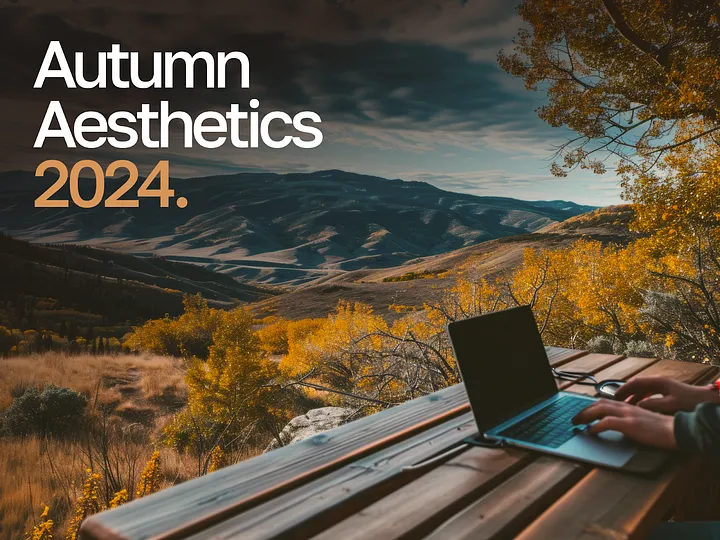
Autumn Aesthetics: Emerging Web Design Trends to Watch in Fall 2024


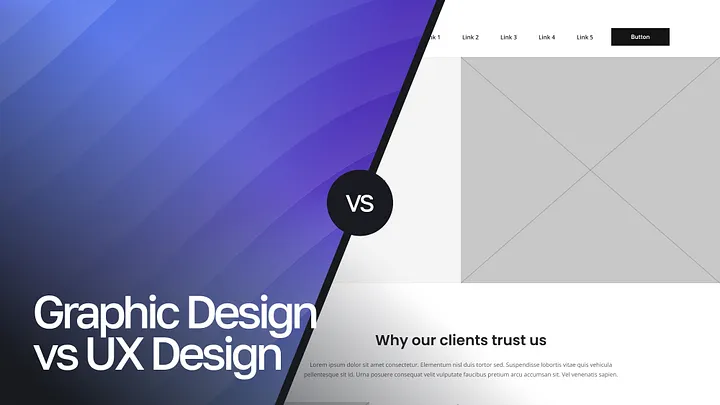
When discussing digital design, terms like UX design and graphic design often come up, sometimes being confused or used interchangeably. At U1CORE, we understand that while these fields share some foundational elements, they serve distinct purposes and contribute differently to the design process. Let’s dive into what differentiates UX design from graphic design and how each plays a vital role in crafting outstanding products.
User Experience (UX) design focuses on creating a seamless and intuitive journey for users as they interact with a product. The core aim of UX design is to enhance user satisfaction by improving usability, accessibility, and the overall enjoyment derived from the product. It’s not just about aesthetics but how a product functions and feels to the user.
Key aspects of UX design include:
Usability Testing: Early user feedback through testing identifies problems and informs iterative design improvements, minimizing risks and costs later in development.
Graphic design is centered on visual communication and aesthetics. It aims to create visually appealing graphics that convey messages, evoke emotions, or represent a brand. Graphic design spans many contexts, from print materials and advertisements to branding and digital design.
Key elements of graphic design include:
Despite their distinct focuses, UX and graphic design often overlap and complement each other in product development. While UX ensures that a product is user-friendly and functional, graphic design guarantees it’s visually appealing and on-brand.
For example, in creating a website, UX designers develop the navigation structure and make sure buttons are easy to click and pages load efficiently. Graphic designers, on the other hand, enhance the aesthetic appeal with cohesive color schemes, typography, and iconography.
1. Purpose and Focus
2. Tools and Techniques
3. Metrics for Success
Understanding these differences helps businesses and design teams make better choices when building products and teams. Hiring the right professional for the right job ensures more successful project outcomes. For example, a UX designer is ideal for creating an intuitive user flow for a new app, while a graphic designer is best suited for developing promotional visuals and branding assets.
While UX design and graphic design might appear similar at first glance, they differ in goals, processes, and outcomes. UX design centers around functionality and the user’s needs, crafting products that are not just usable but delightful. In contrast, graphic design emphasizes visual storytelling and branding to create appealing, recognizable, and emotionally resonant content.
At U1CORE, we believe that integrating both disciplines leads to products that are functional, cohesive, and visually captivating. Recognizing the strengths of each ensures a balanced design approach that turns a concept into a user-centric and memorable product.

During this call we do a quick intro and discuss your project and its specific needs.
During this call we do a quick intro and discuss your project and its specific needs.

Book a free consultation with us, so we will frame your product vision and strategy.

We’ve received your request and our team is already reviewing it. We’ll get back to you as soon as possible to discuss how we can help you achieve your goals.
Looking forward to collaborating with you!
We’ve sent the download link to your email. Check your inbox (and spam folder just in case) to access the eBook.
We hope you find it valuable for your Web3 journey. If you have any questions or feedback, feel free to reach out!