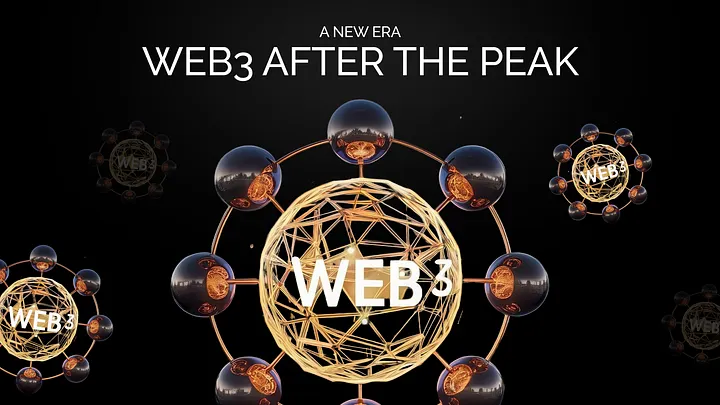
Back in 2021, Web3 was everywhere. NFT launches flooded Twitter timelines, DAOs promised to rebuild the internet, and venture capitalists poured billions into decentralized protocols. But fast forward to 2025, and the buzz has gone quiet. Many projects have vanished, token values have plummeted, and mainstream media rarely mentions the term “Web3” at all.
So, is Web3 dead? Or is it simply evolving — out of sight, but not out of relevance?
The Rise and Retreat
Web3 began with a promise: decentralization, ownership, and a new internet powered by users, not corporations. The movement saw explosive early traction, thanks to a perfect storm of pandemic-era hype, speculative investing, and social momentum.
However, as markets cooled and regulation caught up, the ecosystem faced a harsh correction. Many NFT projects turned out to be unsustainable. DAOs struggled with governance and decision paralysis. Layer 1 chains competed aggressively for users, often without product-market fit.
But beneath the surface, something else was happening: infrastructure matured, tools improved, and quieter, more focused builders stayed.
Signs of Life
Despite the decline in headlines, Web3 is far from dead. Here’s what’s still thriving:
- DePIN (Decentralized Physical Infrastructure): Projects like Helium and Hivemapper are creating tokenized incentives for real-world data and connectivity.
- Gaming: Games like Illuvium and Shrapnel are introducing sustainable, player-first token economies — learning from Axie Infinity’s rise and fall.
- Identity & Reputation: Projects like Lens Protocol and ENS are evolving beyond domain names into full-stack decentralized identity solutions.
- On-Chain AI: The merge of AI with blockchain is gaining momentum. Protocols are exploring how to decentralize compute, data labeling, and even AI agent coordination using smart contracts.
- Regulated Tokens & RWA (Real World Assets): Tokenized real estate, carbon credits, and even T-bills are being adopted within compliant frameworks.
In short: the attention has shifted from speculation to utility.
What Died (and Should Stay Dead)
- Low-effort NFT projects: The era of pixelated avatars with no roadmap is over.
- Hype-first launches: Users now expect clear value before buying in.
- Anonymous teams with no accountability: Trust and transparency are non-negotiable.
Case Study 1: Uniswap
While many DeFi platforms lost steam, Uniswap quietly continues to dominate on-chain liquidity. With its recent v4 launch, it introduced hooks for customizable trading logic — a move that mirrors the composability spirit of Web3.
Case Study 2: Base by Coinbase
Instead of rejecting regulation, Coinbase built a compliant Layer 2 chain (Base), now hosting thousands of developers and projects, bridging the gap between Web2 and Web3.
Case Study 3: Friend.tech
Despite initial hype and dip, Friend.tech demonstrated a new use case: tokenizing social relationships. It also exposed how fragile virality-driven products can be without long-term utility.
So… What’s Next?
The future of Web3 won’t look like 2021 — and that’s a good thing.
- Utility-first adoption: Users will come for real solutions, not promises.
- Better UX: Projects that abstract complexity will win. Wallets, onboarding flows, and gas management are being rebuilt from the ground up.
- Hybrid models: The line between Web2 and Web3 is blurring. Expect more products to use blockchain on the backend — while keeping a seamless frontend experience.
- AI x Web3: New forms of coordination, decentralized model training, and agent-based economies are on the rise.
So, is Web3 still alive?
Yes — but it’s different. The hype wave has passed, and what remains is more thoughtful, grounded, and long-term.
At U1CORE, we’ve seen firsthand how user experience and product clarity can make or break a Web3 idea. That’s why we build smart, elegant designs tailored to Web3’s unique challenges — ensuring that great tech also feels great to use.
If you’re building something in this space, let’s make sure it’s not just alive — but thriving.