- News
Autumn Aesthetics: Emerging Web Design Trends to Watch in Fall 2024


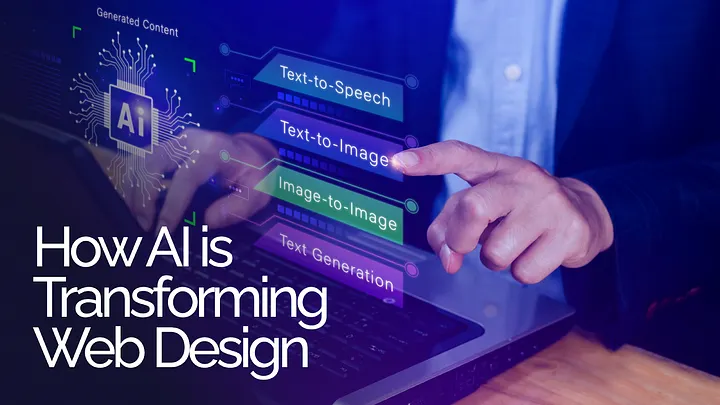
Have you noticed how AI is everywhere these days? From your smart home devices to predictive text when you’re typing a message, it’s becoming part of everyday life. But have you ever thought about how it’s changing the world of web design? If not, you’re about to discover something fascinating. Imagine AI as your co-designer, helping you create more personalized and dynamic web experiences. Sounds exciting, right?
Let’s dive into how artificial intelligence is transforming web design. You might even catch yourself asking, “Could AI really make design better?”
Do you ever get bogged down in the nitty-gritty of designing page layouts? Hours spent adjusting alignments, resizing elements, and ensuring everything looks right across devices? What if AI could do all that for you?
With tools like Figma’s Auto Layout and Adobe Sensei, AI is now doing exactly that. Imagine AI automatically adjusting your layout based on the content you’re working with, freeing you up to focus on the more creative and strategic aspects of design. You get to be the visionary, while AI takes care of the groundwork. Doesn’t that sound like the best of both worlds?
And it doesn’t stop there. AI can even predict the best layout based on user behavior. It’s like having an assistant that knows exactly how to place elements for maximum engagement. Could AI be the key to faster, smarter design?
We all know how important personalization is — nobody wants a cookie-cutter experience. But how do you make a website feel like it was made just for each visitor? This is where AI truly shines.
With platforms like Dynamic Yield and Monetate, AI can tweak content, images, and even call-to-action buttons in real time based on what it knows about the user. Imagine visiting a site and seeing content specifically tailored to your preferences. Wouldn’t that make you stick around longer?
For eCommerce, AI can recommend products based on your previous visits, just like having a personal shopper guiding you through the store. It’s personalization at a scale that humans alone could never achieve. So, are we moving towards websites that feel like they were custom-built for each person?
Ever spent hours guessing why users are dropping off at certain points in your design? AI can help solve that mystery.
Instead of manually setting up focus groups or interpreting vague feedback, AI tools like Hotjar and Crazy Egg analyze real-time user behavior. They can tell you exactly where users are getting stuck, what’s working, and what isn’t. What’s even better? These tools don’t just tell you what happened — they can predict what’s likely to happen based on the data they gather. You can improve your design iteratively, and every change you make is backed by solid evidence, not just intuition.
Could AI make design decisions smarter and more precise?
We’ve all interacted with chatbots, but do you realize how much they’ve evolved? Today’s AI-powered chatbots aren’t just answering basic questions — they’re creating entire customer journeys. Tools like Dialogflow and Chatfuel are enabling websites to offer real-time, human-like support. How often have you chatted with a bot and thought, “Wait, is this AI or a real person?”
Voice interfaces are also coming into play, thanks to the rise of voice search. Imagine navigating a website without ever touching your screen — just talking to it. With AI understanding and processing natural language, interacting with websites could soon feel as effortless as chatting with a friend.
Have you thought about how websites might evolve as voice commands become more common?
Designing accessible websites can sometimes feel overwhelming, but what if AI could assist you in making your designs more inclusive? AI is already being used to automatically generate alt text for images, flagging color contrast issues, and even offering real-time language translations. Tools like Microsoft’s AI for Accessibility are helping designers meet accessibility standards without tons of manual effort.
Does this mean AI is making web design more democratic, allowing everyone, regardless of ability, to engage with online content?
Let’s go one step further — could AI help design the future of web design itself? With predictive design, AI could analyze everything from current trends to user data and offer suggestions on color schemes, typography, and layouts that would perform best.
It’s not about AI replacing creativity, but enhancing it. AI can sift through data, while you focus on making the design beautiful and meaningful. Imagine working with an AI tool that understands what makes users tick and offers design suggestions that are backed by data. Wouldn’t that make the design process more informed, yet just as creative?
As we see AI becoming more deeply integrated into the world of web design, one thing is clear — it’s not here to take over but to assist. From speeding up repetitive tasks to delivering personalization at a massive scale, AI is the ultimate co-designer.
The future of UI/UX is bright, and AI is poised to play a pivotal role in shaping the next generation of web design. Now is the time to explore how AI can elevate your design processes and how U1Core Bureau helps you create more impactful and dynamic user experiences.
As you ponder that, it’s worth asking: How far could AI take web design in the future, and what will be the role of human creativity in this evolving partnership?

During this call we do a quick intro and discuss your project and its specific needs.
During this call we do a quick intro and discuss your project and its specific needs.

Book a free consultation with us, so we will frame your product vision and strategy.

We’ve received your request and our team is already reviewing it. We’ll get back to you as soon as possible to discuss how we can help you achieve your goals.
Looking forward to collaborating with you!

We’ve sent the download link to your email. Check your inbox (and spam folder just in case) to access the eBook.
We hope you find it valuable for your Web3 journey. If you have any questions or feedback, feel free to reach out!